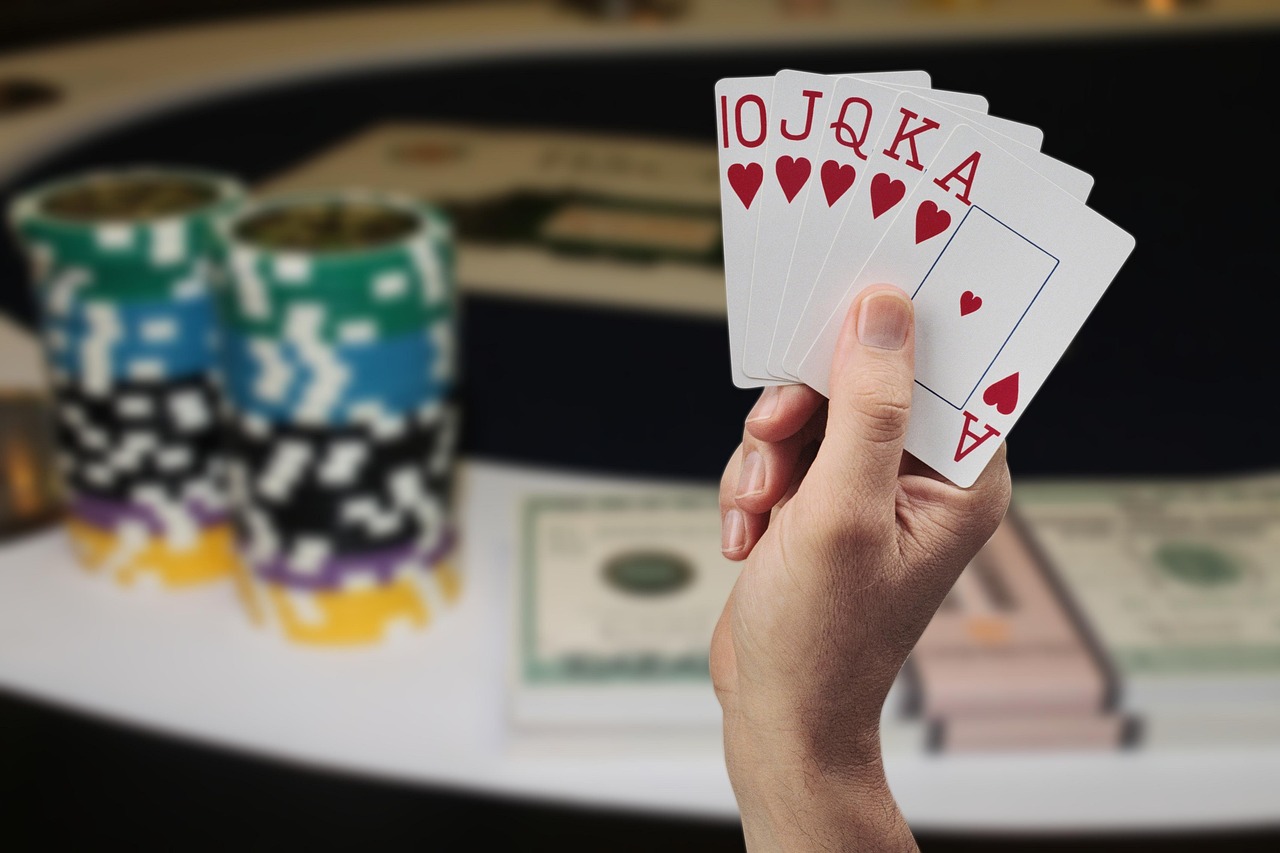
The House Always Wins? How Smart Players Beat the Odds

"The house always wins" is the most repeated phrase in gambling, and it is also the most misunderstood. The house does not win every hand, every spin, or every session. It wins over time, by a margin so small that most players never notice it—until they do, usually after a rough weekend. The real question is not whether the house has an edge. It is whether you understand where that edge comes from, how big it actually is, and which decisions shrink it or blow it up entirely.
That distinction separates recreational players from people who treat iGaming as a discipline. Below is a practical breakdown of how the math, the psychology, and the platform mechanics actually work across slots, table games, poker, and sports betting. For practical tips, check out 789Win.
House Edge Is Not a Scary Number—It's a Speed Limit
Every casino game carries a built-in advantage for the operator, expressed as a percentage of each wager the house expects to keep over the long run. The critical insight is that this number only matters in proportion to how many bets you make.
- Blackjack (basic strategy): roughly 0.5% house edge
- Baccarat (banker bet): about 1.06%
- European roulette: 2.7%
- American roulette: 5.26% (the extra double-zero pocket is brutal)
- Video poker (Jacks or Better, optimal play): under 0.5%
- Slots: typically 2% to 10%, often higher on progressive jackpots
Now multiply that edge by your betting volume. A player wagering $2 per spin on a slot with a 4% edge loses about eight cents per spin on average. At 600 spins per hour, that is roughly $48 per hour in expected loss. Move that same action to blackjack at a $10 average bet with a 0.5% edge, and the expected hourly loss drops to about $3. Same bankroll, radically different outcome. Speed of play and bet size are just as important as the game you choose.
Slots: Volatility Matters More Than RTP
Return to Player (RTP) is the percentage of all wagered money a slot pays back over millions of spins. A 96% RTP slot keeps 4% on average. A 94% RTP slot keeps 6%. That sounds close, but it means the second game is 50% more profitable for the operator. Always check the RTP in the game's info panel—it is usually hidden behind an "i" or "?" button, and it often varies by jurisdiction.
Volatility is the other half of the story. High-volatility slots like Bonanza or Money Train hit less often but can pay enormous sums. Low-volatility games pay smaller amounts more frequently. Neither is "better"—they suit different bankrolls and temperaments. A common mistake is chasing a big win on a high-volatility slot with a $50 bankroll. You will likely bust before the bonus round ever triggers. Match volatility to your balance, not to your fantasies.
One more thing: autoplay and turbo spin buttons are the fastest way to convert a fun session into a funeral. They remove the human pause between bets, which is exactly when you would normally reconsider.
Poker: The Only Game Where You Play the People
Poker is fundamentally different because you are not betting against the house—you are betting against other players, and the house takes a rake. This means skill genuinely matters, and a strong player can win consistently over hundreds of thousands of hands.
The biggest edge for beginners is not fancy bluffing. It is patience. Tight-aggressive play—folding most hands, raising the ones you do play, and applying pressure in position—beats loose-passive play at almost every low-stakes table. Position is the most underrated concept in poker: acting last gives you information on everyone else's action before you commit chips.
If you are serious about poker, track your results. Software like Hold'em Manager or a simple spreadsheet showing hands played, big blinds won per 100 hands (bb/100), and variance will tell you whether you are actually improving or just running hot. Online, expect a win rate of 2 to 5 bb/100 to be solid at micro-stakes; anything above that over a real sample is excellent.
Sports Betting: The Margin Lives in the Odds
Bookmakers build their profit into the odds, not into hidden fees. A typical point spread might be priced at -110 on both sides, meaning you risk $110 to win $100. That $10 difference is the vig, or juice—an implied margin of about 4.5% on a two-way market.
Beating that margin requires either superior information or a pricing edge. Line shopping is the single easiest win: the same game can differ by half a point or 15 cents of juice across books. Over a season, that difference is the gap between a profitable bettor and a break-even one. Closing line value—whether you consistently beat the final odds before kickoff—is the most honest measure of long-term betting skill.
Also worth noting: parlay and same-game parlay products multiply the house edge. They are entertaining, but they are not how professionals bet.
Bonuses, Rakeback, and the Fine Print That Eats Them
Welcome bonuses, free spins, and rakeback can genuinely improve your expected value, but only if you read the terms. Common traps include:
- High wagering requirements—40x on a $100 bonus means you must bet $4,000 before withdrawing.
- Game weighting—slots may count 100% toward wagering, while blackjack might count 10% or nothing.
- Maximum bet rules—bet too much while clearing a bonus and you can forfeit the whole thing.
- Time limits—many bonuses expire in 7 to 30 days.
Rakeback and loyalty schemes are usually more valuable than headline bonuses because they have fewer strings. If a casino offers 10% weekly rakeback on losses, that is a direct reduction of the house edge for a regular player.
Bankroll Management Separates Players From Victims
The fastest way to kill a skill edge is to bet too much per session. A widely used guideline is to risk no more than 1% to 2% of a dedicated gambling bankroll on any single bet, and to treat that bankroll as money you can genuinely afford to lose. If a losing session would affect your rent or your groceries, the issue is no longer entertainment.
Set win and loss limits before you log in. Most regulated platforms now let you configure deposit limits, session reminders, and cool-off periods directly in your account settings. These tools are not for problem gamblers only—they are how disciplined players protect their decision-making from fatigue and tilt. A detailed guide is available at 789 Win.
What Actually Separates Winners From the Rest
Nobody beats every session, and anyone claiming otherwise is selling something. The real edge in iGaming comes from choosing games with a manageable house edge, understanding volatility and variance, shopping for the best odds or the best bonus terms, and controlling bet size with discipline. Luck decides the next hour. Process decides the next thousand.
Play games where your decisions matter, know the exact price of every bet you place, and treat bonuses as math rather than magic. The house edge will always be there—but a well-informed player is the only one who can shrink it, work around it, and occasionally, genuinely beat it.